+91 9108766677
 Store
Store
 Cart
Cart



How to Select Tiles for Living Room: A Complete Homeowner’s Guide

Your living room is often the first space guests see when they enter your home. It’s where your family gathers, where memories are made, and where you want everything to look perfect. The flooring you choose plays a crucial role in setting the tone for this important space. If you’re asking yourself how to select tiles for living rooms, you’ve come to the right place. This comprehensive guide will walk you through every step of the tile selection process, ensuring your living room becomes the beautiful sanctuary you envision.
Why Living Room Tiles Matter: Understanding the Importance
Setting the Foundation for Your Home’s First Impression
Before diving into the specifics of tile selection, it’s important to understand why your choice matters so much. Your living space experiences more foot traffic than almost any other room in your home. Family members walk across these floors daily, guests visit, children play, and pets roam. This constant activity means you need tiles that can withstand regular wear and tear while maintaining their beauty for years to come.
Beyond functionality, tiles for living rooms set the aesthetic tone for your entire home. They interact with natural light, complement your furniture, and influence how spacious or cozy your living space feels. The right tile choice enhances your interior design vision, while a poor selection can make even a well-decorated room feel disjointed.
Selecting the Perfect Tile Size for Your Room
Making the Right Choice Based on Your Living Space Dimensions
One of the most important decisions when you select tiles is determining the right size. Many homeowners overlook this crucial step, but tile size dramatically affects how your living room appears and functions.
Small Living Rooms
If you have a compact living space, larger tiles are your best friend. Counterintuitively, bigger tiles actually make small rooms appear more spacious. Large format tiles reduce the number of grout lines visible on your floor, creating a seamless look that tricks the eye into perceiving more square footage than actually exists. Consider tiles that are at least 600x600mm or larger for optimal effect.
The Middle Ground
For average-sized living rooms, medium-sized tiles offer a balanced solution. They provide visual comfort without overwhelming smaller spaces, yet maintain enough surface area to feel contemporary and clean.
Large Living Rooms
In contrast, if you have a generous living space, you have more flexibility. Small tiles work beautifully in expansive rooms, allowing you to create intricate patterns and add visual interest without making the space feel cramped. Small tiles also provide better traction in large areas with heavy foot traffic.
Choosing the Right Tile Colours for Your Space
How Color Selection Influences Your Living Room’s Atmosphere
The colour palette you choose for your floor tiles for your living room influences mood, light reflection, and perceived spaciousness. Understanding colour psychology helps you make decisions that align with your home’s atmosphere.
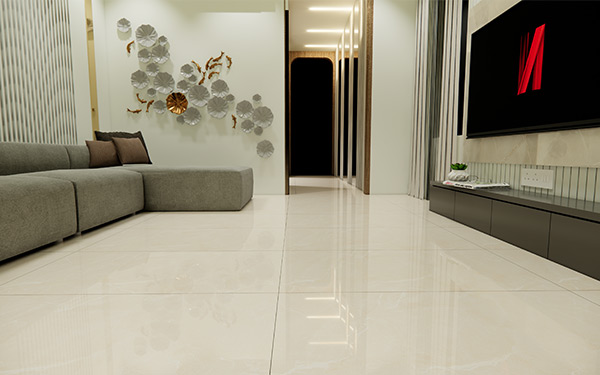
Light and Neutral Tones
Lighter tile colours like white, cream, beige, and light grey reflect natural light and make rooms feel more open and airy. These shades work particularly well in living rooms with limited natural light, preventing the space from feeling dim or unwelcoming. Neutral tones also offer versatility—they complement virtually any furniture style and allow you to change your décor without the floor looking mismatched.
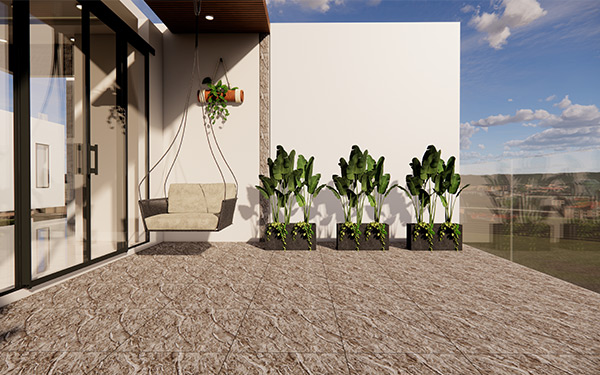
Darker Shades
Dark tiles—including charcoal, navy, and deep brown—create warmth and sophistication. They work best in well-lit living rooms and can hide dust and minor stains more effectively than lighter options. Darker tile colours add depth and create a more intimate, cozy ambiance that some homeowners prefer for evening relaxation.
Creating Visual Interest with Tile Colours
Don’t feel limited to a single colour. Many designers recommend mixing lighter base tiles with darker accent tiles to create visual interest. You might choose a neutral foundation and incorporate one or two darker tones for pattern or border details.
Understanding Different Types of Tiles
Comparing Material Options for Your Living Room Flooring
When you choose the right tile for your living room, you’re selecting from several distinct material options, each with unique properties.
Ceramic Tiles for Living Rooms
Ceramic tiles represent an excellent balance of affordability, variety, and durability. These tiles offer a wide range of colours, patterns, and finishes. They’re relatively easy to clean and maintain, making them ideal for households with children or pets. However, ceramic is somewhat softer than alternatives, so it’s better suited to moderate-traffic areas. The advantage? You’ll find ceramic tiles in virtually every style imaginable, from traditional to contemporary.
Vitrified Tiles for Living Rooms
Vitrified tiles are denser and harder than ceramic options, making them exceptional for high-traffic areas. These tiles offer superior resistance to wear and tear, scratches, and staining. Vitrified tiles are also highly water-resistant, which means they resist moisture penetration better than ceramic. For living rooms where you have pets or young children, vitrified tiles provide the durability and easy maintenance you need.
Porcelain Tiles for Living Rooms
Porcelain represents the premium option among standard tiles. It’s extremely dense, virtually non-porous, and highly resistant to stains and scratches. Porcelain tiles are particularly durable and easy to maintain, making them an investment that pays dividends over time. While initially more expensive than ceramic, their longevity often makes them more economical in the long term.
Natural Stone
Marble, granite, and slate tiles offer undeniable elegance and luxury. They provide a timeless aesthetic that never goes out of style. However, natural stone requires regular sealing and more intensive maintenance than other options. For living rooms, natural stone works best if you’re willing to invest in proper care.
Making Tiles Work for High Traffic Areas
Living rooms are inherently high traffic areas where family members constantly move about. Your tile selection must account for this reality.
Prioritize tiles with anti-scratch and anti-stain properties. Look for options specifically marketed for heavy-use areas. Textured or matte finishes provide better grip than glossy surfaces, reducing slip hazards when the floor is wet.
The durability and easy maintenance combination is essential. Choose tiles that don’t require special sealants or complex cleaning procedures. Your daily life is busy enough without worrying whether your floors can handle normal family activity. Materials like vitrified and porcelain tiles durable and easy to clean without demanding complicated maintenance routines.
Selecting Durable Tiles That Look Beautiful Long-Term
Durability isn’t just about resistance to physical damage—it’s about maintaining aesthetic appeal over years of use. When you select tiles, consider how they’ll appear five, ten, or even twenty years down the line.
Quality matters more than price. Investing in premium tiles from established tile companies means you’re getting products tested for longevity. Reputed brands have invested in research and development to ensure their tiles maintain colour integrity, don’t fade, and resist chemical degradation.
Look for tiles that come with appropriate warranties. A manufacturer’s confidence in their product, backed by warranty coverage, indicates real durability. Ask about wear ratings and traffic classifications before making your final decision.
Creating a Cohesive Living Room Tiles Design
Your overall tiles design for living rooms should work harmoniously with your entire interior. This means coordinating with existing furniture, wall colours, and lighting conditions.
Consider how different lighting—natural daylight, evening artificial light, and afternoon sun—affects your tile colour. If possible, obtain samples and observe them in your actual living room throughout the day. What looks perfect in a showroom might feel different in your space.
Think about contemporary patterns that enhance modern aesthetics. Simple geometric patterns, subtle textures, or wood-look tiles often provide visual interest without overwhelming the space. Avoid overly trendy designs that might feel dated in a few years.
The Importance of Selecting from Reputable Tile Companies
This decision process doesn’t end with choosing a style. Where and from whom you purchase matters significantly. Reputable tile companies stand behind their products with quality guarantees and expert advice.
Established tile companies offer several advantages: they maintain consistent quality across production runs, provide proper documentation about tile specifications, offer installation guidance and typically have return policies protecting your investment. These companies have built their reputations over years and they’re invested in maintaining them. Like Naveen Tiles.
Final Considerations for Choosing Living Room Tiles
Beyond the specifics above, remember these important points:
Think Long-Term: Avoid making impulsive decisions based on temporary trends. Choose classic styles and neutral colours that will feel fresh and beautiful for decades.
Assess Maintenance Reality: Be honest about your lifestyle. If you have busy schedules, young children, or pets, prioritize easy maintenance. Your tile choice should simplify your life, not complicate it.
Calculate Total Cost: Factor in not just tile price but installation costs, adhesives, grout, and potential removal of existing flooring. Get complete quotes before committing.
Plan Your Layout: Consider how tiles will be arranged in your specific room. Get recommendations from professionals about patterns that work best for your dimensions.
Conclusion
How to select tiles for living rooms ultimately comes down to understanding your space, your lifestyle, and your aesthetic preferences. By considering room size, lighting conditions, traffic patterns, and durability requirements, you can choose tiles that look beautiful while standing up to real-world living.
Take time with this decision. Observe samples in your actual living space. Ask questions of tile company representatives. Consider both immediate visual appeal and long-term practicality. Your living room deserves floors that reflect your style while providing the durability and ease your family needs. With this guide, you now have the knowledge to make confident decisions that transform your living space into the beautiful, functional room you’ve always wanted.







Karan Shetty
Karan Shetty, Chief Executive Officer (C.E.O) of RNS IS, RNS PUC, RNS IT, RNS MCA, RNS FGC, RNS FGC MBA, RNS MBA, Naveen Tile & more. With over 20+ years of cross-functional leadership experience spanning manufacturing, business strategy, industrial operations and academic administration. Shares a wealth of informative and practical knowledge through his blogs.

 DOWNLOAD CATALOGUE
Request a callback
Need Help? Contact us!


0